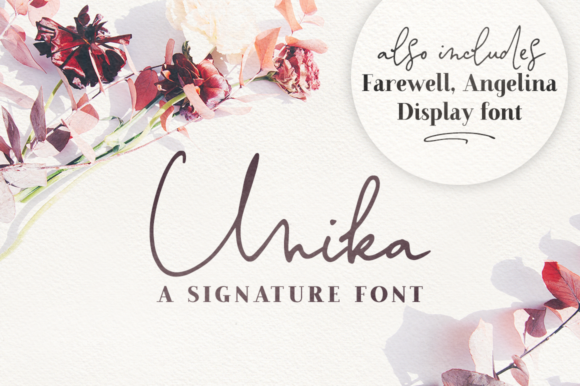
Unika: A Versatile Duo Font That Elevates Handmade Product Design
Yesterday, I sat down to design a set of candle labels for my small shop, and I knew right away that the font choice would make or break the look. I opened up my design software and selected Unika — a script amp font duo that’s quickly become my go-to for everything from greeting cards to boutique tags. As soon as I typed out “Lavender Fields” in the handwritten style, I could feel the warmth and personality of the font bringing my label to life. It’s elegant, yet approachable — like a handwritten note from a dear friend.
Why Unika Stands Out in a Crowd of Script Fonts
Unika isn’t just another script font. It’s a thoughtfully crafted duo that blends classic calligraphic elements with a modern, fresh twist. The handwritten version flows naturally, with soft strokes and slight variations that mimic real penmanship. The display font, on the other hand, adds contrast and structure — perfect for pairing in product titles, shop branding, or packaging accents.
What makes Unika especially useful for makers and sellers is its versatility. Whether I’m designing digital printables or printing physical labels, this font adapts beautifully. It feels equally at home on a rustic farmhouse sign as it does on a minimalist wedding invitation. The character sets include ligatures and alternates that help avoid repetition, giving your text a more authentic, handcrafted appearance.
Real-World Uses for Unika in Your Creative Business
I recently used Unika to create a line of holiday greeting cards for my Etsy shop. I wanted something that would feel personal and warm, but still professional enough to stand out in a crowded market. I used the handwritten style for the main sentiment — “Merry & Bright” — and paired it with the display font for the word “Happy” underneath. The contrast between the two styles gave the card a dynamic layout without feeling cluttered.
- Candle labels
- Wedding invitations
- Printable wall art
- Boutique packaging tags
- Seasonal holiday cards
- Digital planner pages
- Mug and tote bag designs
Each of these projects benefits from Unika’s ability to convey both elegance and authenticity. Whether you're laser-cutting wooden tags or designing a digital download preview, this font adds a touch of sophistication without sacrificing readability.
How Unika Enhances Product Presentation and Branding
As a small business owner, I know how important it is to create a cohesive brand identity. Fonts play a quiet but powerful role in that process. Unika has become part of my visual language — showing up consistently across my product labels, social media graphics, and even packaging tape seals. That repetition builds familiarity, which in turn builds trust with customers.
When I switched to using Unika across my shop, I noticed that my mockups looked more polished and intentional. The font’s clean curves and balanced spacing make text feel more luxurious, which elevates the perceived quality of the product. It’s subtle, but powerful — like choosing a beautiful envelope for a handwritten letter.
Best Practices for Using Unika in Your Designs
Unika shines brightest in short phrases, titles, and decorative text. It’s not designed for long blocks of body copy, so I tend to pair it with a clean sans serif or a simple serif font when I need to add descriptions or instructions. For example, if I’m creating a printable wall art set with a quote, I’ll use Unika for the main quote text and a sans serif like Montserrat for the attribution line underneath.
When working with cutting machines like Cricut or Silhouette, I always test Unika at smaller sizes to ensure legibility. The handwritten style can get a bit delicate in very small sticker designs, so I sometimes adjust the spacing or use the display font instead for better clarity. Also, when preparing product mockups or listing images, I make sure the font remains readable at thumbnail size — a quick preview on a phone screen helps with that.
Pairing Unika with Other Fonts for Visual Harmony
One of my favorite combinations is Unika with a minimalist sans serif. It creates a nice contrast — the handwritten font brings warmth and personality, while the sans serif keeps the layout feeling clean and modern. I often use this pairing for boutique tags, where the product name is in Unika and the price or description is in a smaller, simpler font.
You can also pair Unika with another script font for a more whimsical look, especially in wedding stationery or seasonal cards. Just be sure to vary the weights or styles so they don’t compete. For example, using Unika’s display font for a bold header and a lighter script for a subheading can create a lovely visual flow.
What to Check Before Using Unika Commercially
Before using Unika in your commercial designs — whether it’s for printables, SVGs, or physical products — always double-check the font’s licensing terms. Most premium fonts like Unika come with a commercial use license, but it’s important to confirm that it covers the specific ways you plan to use it.
Also, make sure to install all available styles, including ligatures, swashes, and alternate characters. These details can make a big difference in how your text looks and feels. If you’re designing in Adobe Illustrator or Canva, test how the font behaves in both digital and print formats. And if you're targeting international customers, check for multilingual support to ensure all characters display correctly.