Blackduff: A Stylish Sans Serif Font That Elevates Small Business Branding
A Font That Makes a Real Difference in Brand Presentation
Let me tell you about the time I helped a local candle maker redesign her product labels. She wanted something that felt more refined, more intentional—something that would stand out on shelves and feel cohesive across her packaging, social media, and website. After testing a few options, we landed on Blackduff, and it made a noticeable difference. This modern sans serif typeface brought a sense of polish and personality that her old font just couldn’t match.
What Makes Blackduff Stand Out
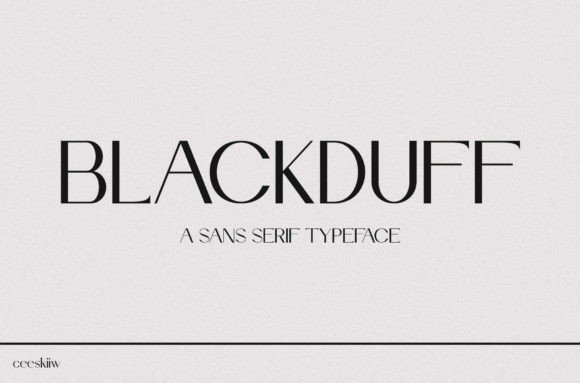
Blackduff is a sans serif font that blends retro charm with contemporary clarity. It’s not overly bold, but still makes a strong visual impact—perfect for headlines, branding projects, and packaging design. The letterforms are clean yet distinctive, with subtle vintage touches that give it character without veering into nostalgia overload. It strikes a balance between being approachable and professional, which is exactly what small businesses need when building a visual identity.
Whether it's for a café menu, a skincare product label, or a logo design, Blackduff adapts well. It works beautifully in both print and digital formats, which is crucial for businesses that want a consistent brand look across different customer touchpoints.
How Typography Impacts Brand Perception
Typography isn’t just about aesthetics—it’s about how your brand is perceived. The right font can make your business look more trustworthy, stylish, or down-to-earth, depending on the message you want to send. Blackduff leans into a modern-retro vibe that feels authentic and memorable, especially for brands in creative, artisanal, or lifestyle niches.
We used it for both the product name and the tagline on the candle labels, and the contrast between Blackduff and a lighter, more minimalist sans serif for the ingredient list created a visual hierarchy that was easy to read and pleasing to the eye. It helped the brand feel more cohesive and intentional, which in turn made it feel more premium.
Real-World Uses for Blackduff in Small Business Branding
- Logo design: Its distinct character makes it ideal for minimalist logos that still have personality.
- Packaging design: Whether for bakery boxes or candle jars, it adds a boutique feel without being too flashy.
- Business cards: Crisp lines and strong letterforms help your contact info stand out.
- Social media graphics: Works great in Instagram stories and banners where clarity and style matter.
- Website banners: As a display font, it shines in hero sections and promotional headers.
Readability and Practical Design Tips
One thing I always remind small business owners: a beautiful font still needs to be readable. Blackduff performs well at medium to large sizes, especially in headlines and short phrases. It’s not ideal for long paragraphs or very small print, so it’s best used as a display font rather than body text.
For printed packaging, I recommend using it at 12pt or larger to ensure clarity. On mobile screens, especially for social media thumbnails or online shop banners, test how it looks in preview mode—sometimes lighter weights can get lost on small displays. If you're using it digitally, stick to the bold or medium weights for maximum legibility.
Font Pairing Ideas for a Balanced Brand Identity
Blackduff pairs beautifully with a range of other typefaces, making it a versatile choice for brand identity work. Here are a few combinations I’ve used successfully:
- With a clean sans serif: For a modern, minimalist look—great for wellness brands or online shops.
- With a classic serif: Adds elegance and contrast—ideal for boutique packaging or luxury branding.
- With a script or handwritten font: Creates a warm, personal touch—perfect for handmade products or artisanal brands.
These pairings help maintain visual interest while keeping your brand materials looking cohesive and professional.
Things to Consider Before Using Blackduff
Before you start using any premium font like Blackduff in your branding, make sure you check the licensing terms. For small businesses, it’s important to know whether the font can be used commercially—especially for product packaging, merchandise, and client work.
Also, take a look at the full set of included styles. Does it come in multiple weights? Are there alternates or ligatures that could add flair to your designs? Multilingual support is another consideration if your brand communicates in more than one language or serves an international audience.
From a technical standpoint, ensure you’re getting the font in the right file formats—OpenType (.otf) and TrueType (.ttf) are standard and widely compatible with most design software.